Kitano Tenmangu

0 Review
Photo présentée par Shozo Fujii / JT

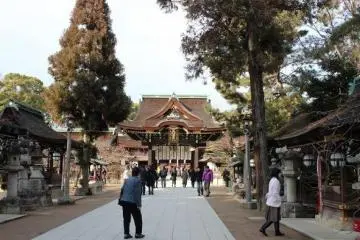
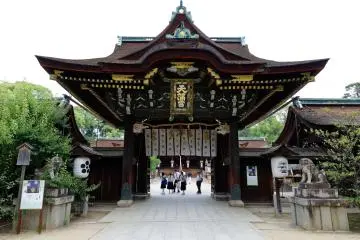
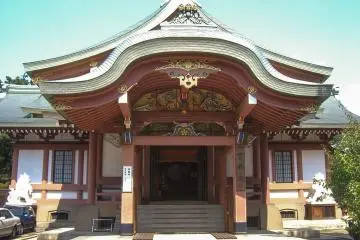
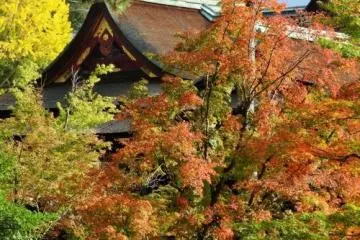
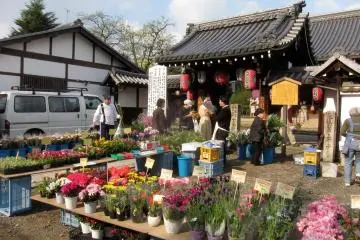
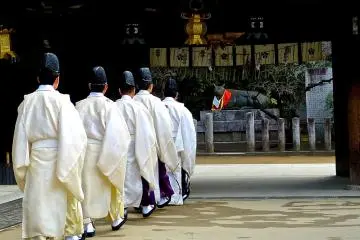
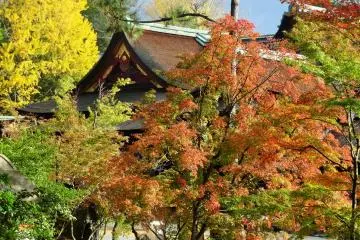
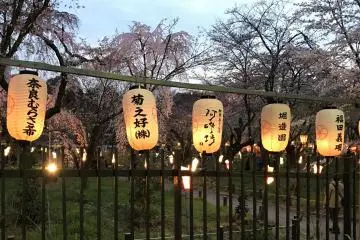
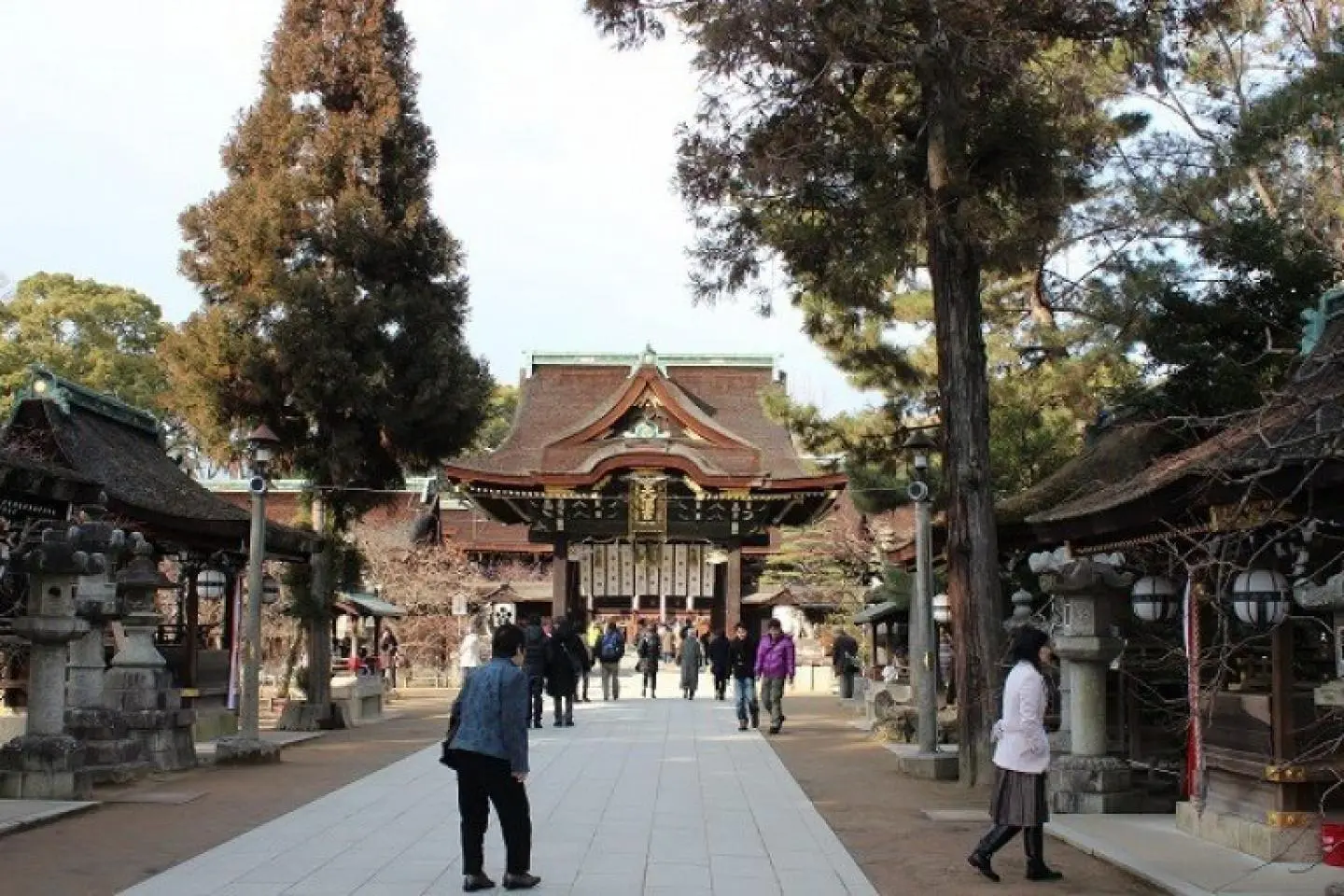
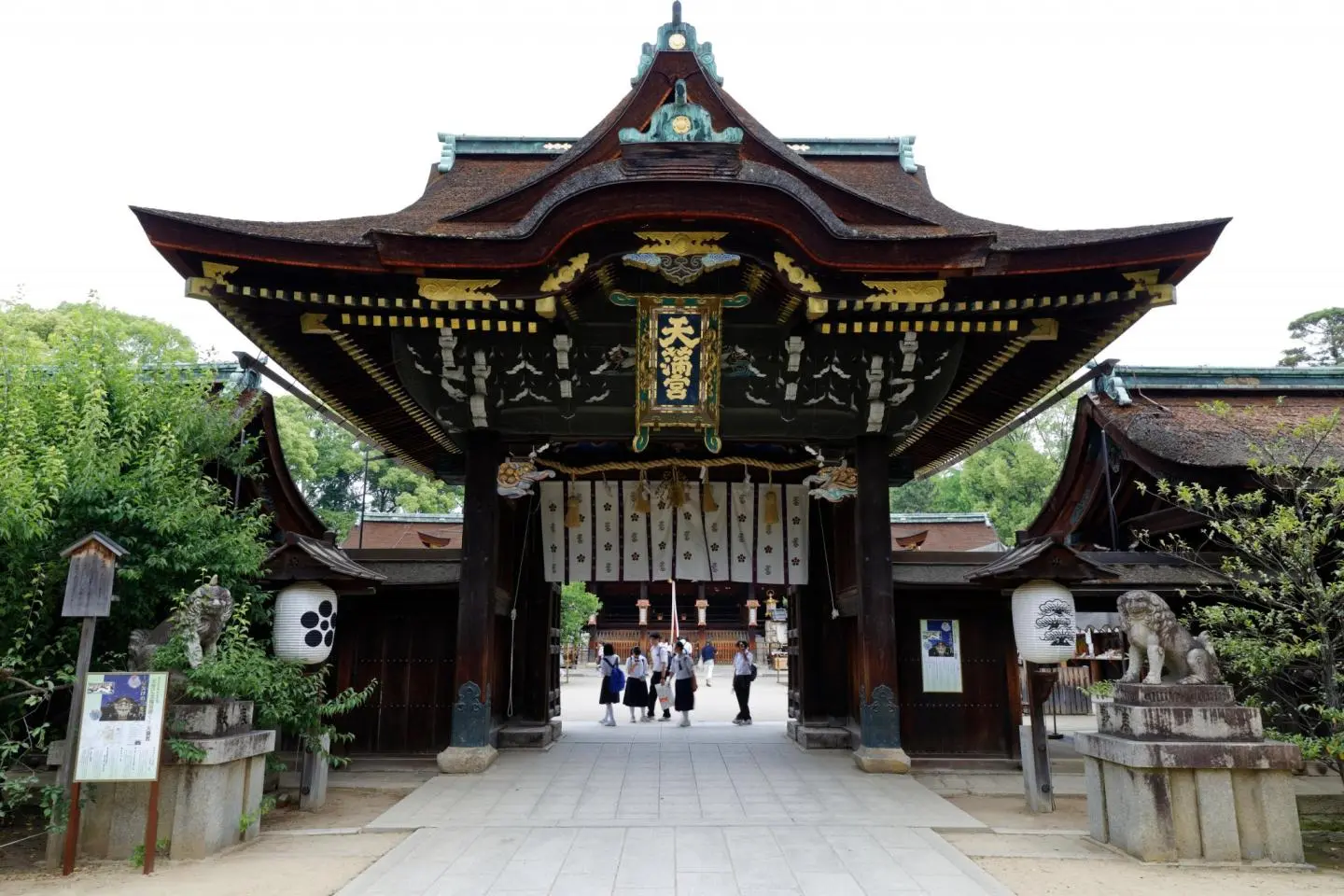
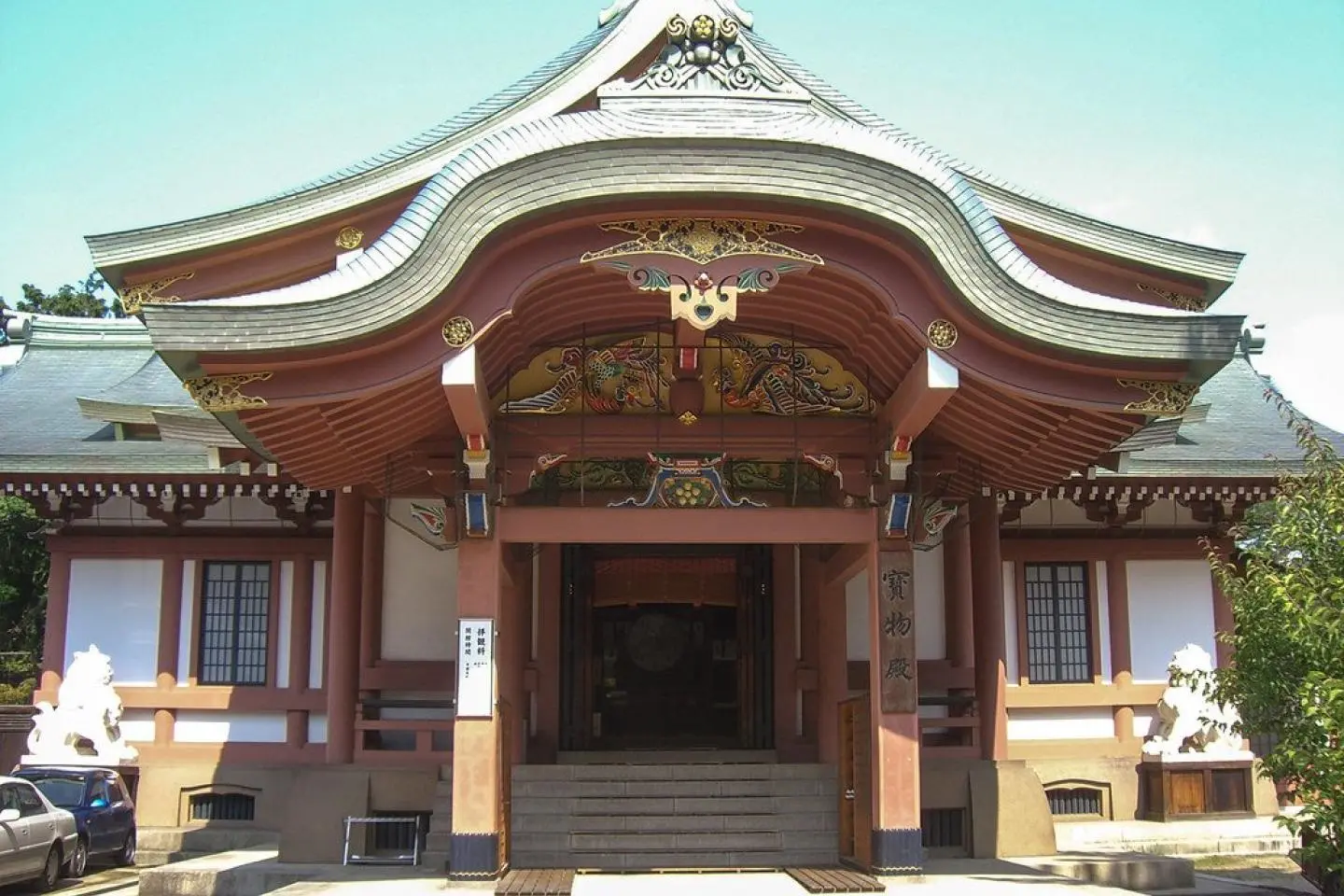
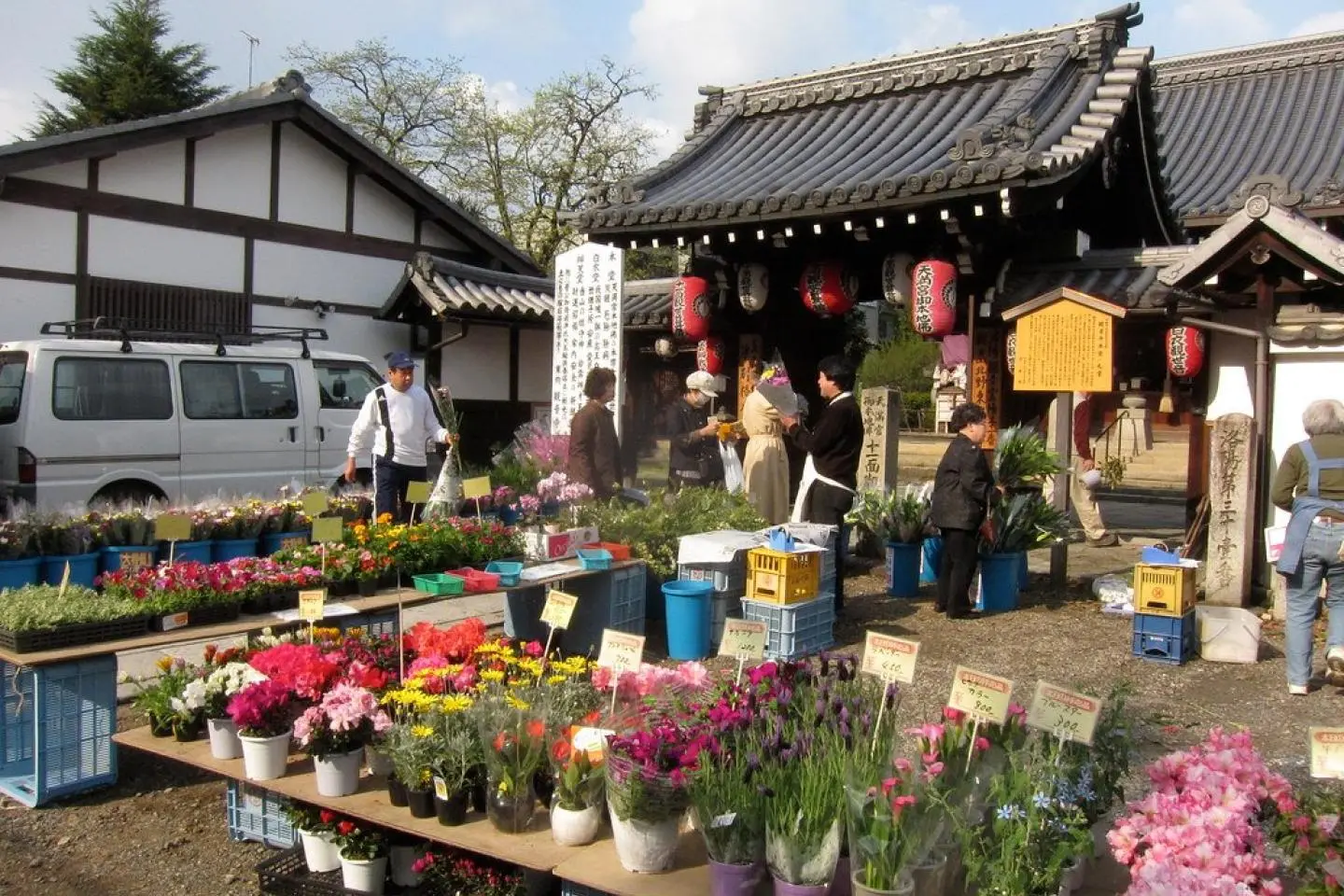
Known for its academic blessings, Kitano Tenmangu is a Shinto shrine in Kyoto’s Kamigyo ward that is dedicated to Sugawara no Michizane, an influential scholar and politician. The shrine was built in 947 AD and is Japan’s first shrine to enshrine an actual person as a deity. Although there are numerous shrines throughout Japan dedicated to Michizane who is mainly known as a god of academics, Kitano Tenmangu is the original one.

Aperçu

Adresse

Bakurocho, Kamigyo Ward, Kyoto (Directions)

Hours

07:00 - 17:00 Open Now

Opening Hours

  • Monday 07:00 - 17:00
  • Tuesday 07:00 - 17:00
  • Wednesday 07:00 - 17:00
  • Thursday 07:00 - 17:00
  • Friday 07:00 - 17:00
  • Saturday 07:00 - 17:00
  • Sunday 07:00 - 17:00
  • Holidays 07:00 - 17:00

Téléphone

075-461-0005

Se rendre ici

There are city buses running frequently from Kyoto station to the Kitano Tenman-gu-mae bus stop, which would cost you around ¥230 and will take around 30 minutes.

Articles apparentés

31 articles
Spring at Kitano Tenman-gu, Kyoto

Spring at Kitano Tenman-gu, Kyoto

Julian Bohler

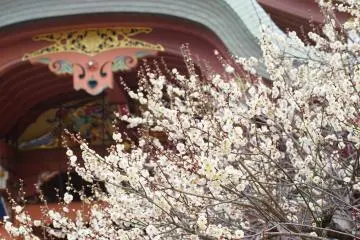
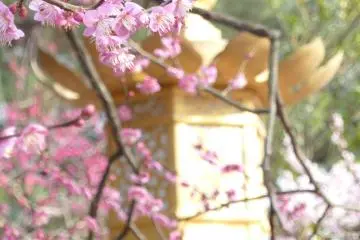
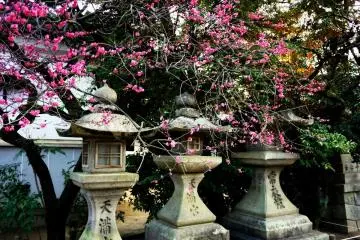
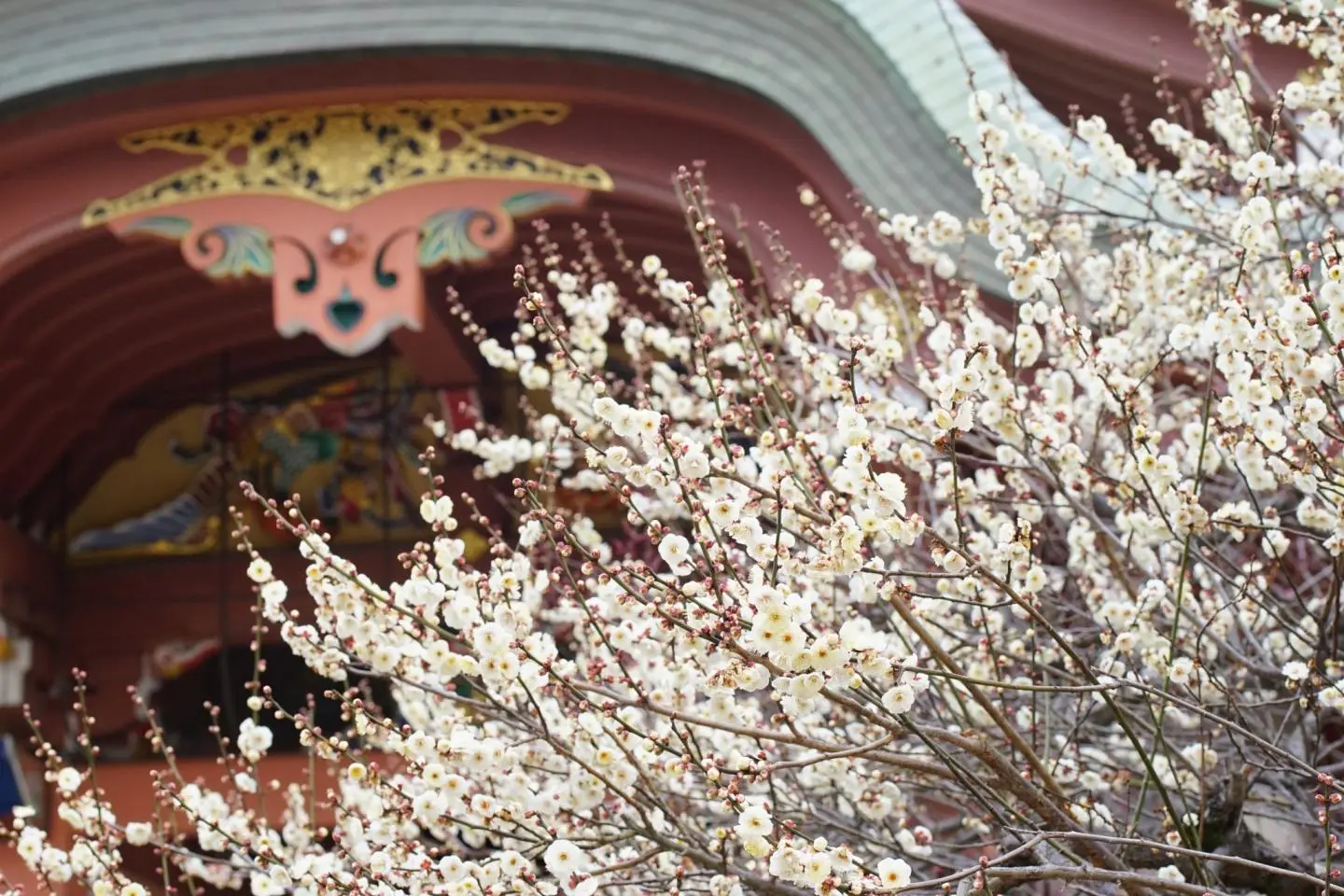
Located northwest of Kyoto near the famous Golden Pavilion, Kitano Tenman-gu is a Shinto shrine where Sugawara no Michizane, an aristocrat from the ninth century, is worshipped as the deity of education. A tea ceremony is held within the shrine precincts every year on February 25 during the Plum Blossom Festival. Surrounded by hundreds of plum trees in full bloom, around thirty geiko (a local term in Kyoto for geisha) and maiko from the neighbouring geisha district (Kamishichi-ken) will serve matcha tea to visitors, accompanied by delicious Japanese sweets.
Kyoto
京都、北野天満宮の春

京都、北野天満宮の春

Takako Sakamoto

京都北西部、有名な金閣寺近くの北野天満宮は、9 世紀の貴族、菅原道真を学問の神として祀る神社だ。毎年梅花祭り開催中の2 月25 日、境内で茶会が催される。何百もの満開の梅の中で、近隣の花街 (上七軒) からやって来る30 人もの芸子 (京都における芸者の呼び名) や舞妓が、参拝客に抹茶と和菓子を振る舞う。

Kyoto
Mùa xuân ở Kitano Tenman-gu, Kyoto

Mùa xuân ở Kitano Tenman-gu, Kyoto

Hai Nguyen

Nằm ở phía tây bắc của Kyoto gần Golden Pavilion nổi tiếng, Kitano Tenman-gu là một ngôi đền Shinto giáo nơi Sugawara no Michizane, một quý tộc từ thế kỷ thứ 9, được tôn thờ như là vị thần của giáo dục. Một buổi lễ trà được tổ chức trong các khu đền thờ hàng năm vào ngày 25 tháng 2 trong lễ hội hoa mơ. Được bao quanh bởi hàng trăm cây mơ nở rộ, khoảng ba mươi geiko (một cụm từ địa phương ở Kyoto cho geisha) và maiko từ quận geisha lân cận (Kamishichi-ken) sẽ phục vụ trà matcha cho du khách, kèm theo bánh kẹo Nhật Bản thơm ngon.

Kyoto
교토, 키타노텐만구의 봄

교토, 키타노텐만구의 봄

Nam Hyunjoo

교토 북서부, 유명한 킨카쿠지 (금각사) 인근 키타노텐만구는 9세기 귀족 스가와라노 미치마사를 학문신으로 모시는 신사다. 매년 매화축제를 개최하고 있는 2월 25일, 경내에서 다회가 개최된다. 수백 개의 매화 속에서 인근 하나마치 (上七軒: 카미히치겐)에서 온 30여 명의 게이코(교토에서 예능에 뛰어난 사람을 부르는 이름)와 무희 (연회석에서 춤을 추는 동기)가 참배객들에게 맛차와 일본식 과자를 대접한다. 다회는 10시에 시작되어 15시 종료다. 입장료는 1,500엔 여기에는 맛차와 일본식 과자, 조품과 보물전 관람권이 포함되어 있다. 티켓은 한정 3000장이니까, 장사진을 피하기 위해 가능한 한 빨리 가자.

Kyoto
Hirano Shrine Okasai 2027

Hirano Shrine Okasai 2027

Alena Eckelmann

Hirano Shrine in the north of Kyoto hosts a hanami festival each year. The hanami scenery is fantastic and the party atmosphere, cherry blossom season style, is great.

Kyoto
Kyoto Nippon Festival 2026

Kyoto Nippon Festival 2026

Kim Bergström

The Kyoto Nippon Festival brings art, performance and seasonal beauty together at Kitano Tenmangu Shrine. Since its launch, the festival has focused on sharing Japanese culture through a mix of contemporary creativity and the shrine's long history.

Kyoto
Consulter tous les articles

À proximité

La Préfecture de Kyoto

La Préfecture de Kyoto

Julian Bohler

A la rencontre de la culture japonaise, entamez votre voyage et concluez le par une escale à Kyoto, le berceau intemporel de tout ce que fut et de tout ce qu'est encore aujourd'hui le Japon.

Kyoto
Yamazaki, un Ryokan Familial

Yamazaki, un Ryokan Familial

Julian Bohler

A 30 minutes en bus depuis le centre de Kyoto, le ryokan Yamazaki est un trésor bien caché. Un quartier paisible, une cuisine savoureuse et un accueil familial, tous les éléments sont réunis pour vous offrir un séjour inoubliable.

Kyoto
Au Comptoir du Yagenbori de Gion

Au Comptoir du Yagenbori de Gion

Marbach Hélène

Ce soir-là, nous étions parti à la découverte du quartier de Gion à Kyoto. Après avoir déambulé dans les rues bordées de maisons traditionnelles en bois, nous nous sommes arrêtés dans le restaurant Yagenbori. C'était un plaisir des yeux et du palais.

Kyoto
Kinkakuji Temple

Kinkakuji Temple

Well known as the Golden Pavilion, Kinkaku-ji is a three-story Zen Buddhist temple in northern Kyoto. Kinkaku-ji and Ginkaku-ji (Silver Pavilion) were built in the 13th century and were originally intended as noble villas for the Ashikaga shoguns. Today the building is also known as Rokuon-ji. Kinkaku-ji houses several important Buddhist relics and is a sacred place for the Rinzai sect of Japanese Buddhism. Each floor of the temple conveys a different architectural style. The first floor is in the Shinden style, the second floor in the Bukke style and the third floor in the Chinese Zen style. Thus became one of the most photogenic temples in all of Kyoto. The temple was once the retirement villa of the shogun Ashikaga Yoshimitsu. After his death in 1408 he wanted to give the building to the Rinzai sect as a Zen temple. The grounds of the Kinkaku-ji Temple used to consist of several other buildings, but unfortunately burned down in the fires and destruction during the Onin War in the 1400s. The building you see today was also rebuilt in 1955.

Kyoto
Keishunin Temple

Keishunin Temple

Keishunin (桂春院) is one of the sub-temples of Myoshin-ji containing gardens and a teahouse.

Kyoto
Temple Ryoan-ji

Temple Ryoan-ji

Le temple Ryoanji appartient à l'école Rinzai du bouddhisme zen et est situé dans la partie nord-ouest de Kyoto. Il est particulièrement connu pour son jardin de rocaille Hojo Teien aménagé selon le principe Wabi Sabi. En plus d’être l'un des décors les plus emblématiques de Kyoto, c’est le jardin zen le plus célèbre du Japon et est considéré comme l’un des chefs-d’œuvre de la culture zen japonaise. Le site était à l'origine une résidence du célèbre clan Fujiwara et a été converti en temple zen en 1450. On pense que le jardin a été construit pendant la période Muromachi (14ème - 16ème siècle), mais l'origine et le concepteur du jardin sont encore inconnus à ce jour. Les pierres du jardin sont placées intentionnellement de sorte que l'on ne puisse pas voir les 15 pierres en même temps quel que soit l’angle de la terrasse sur lequel vous vous positionnez. Le jardin de rocaille est visible depuis le Hojo, ancienne résidence du grand prêtre. Le temple est entourée d'un grand parc, le bâtiment principal étant séparé par un étang qui remonte à l'époque où le site était utilisé comme hôtel particulier.

Kyoto
Explorer Kyoto