Okochi Sanso Arashiyama Kyoto
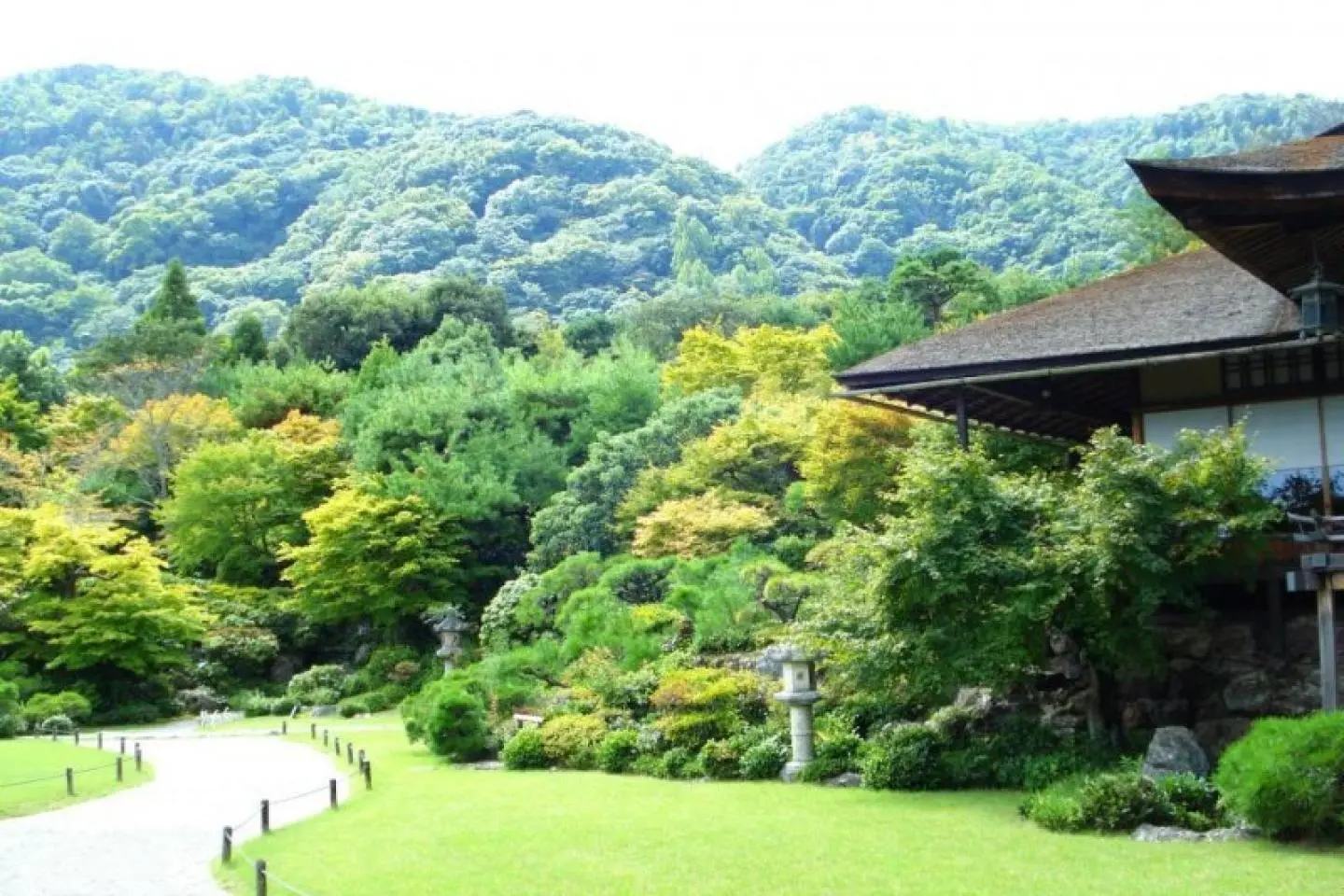
Jenny CookDenjiro Okochi loved the view from the top of Arishiyama, or "Storm Mountain" in Japanese. So much so he created twenty thousand square Japanese garden and country villa
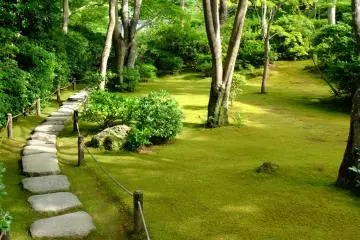
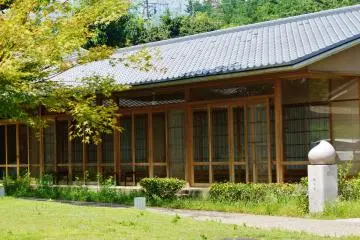
Ōkōchi Sansō is the former home and garden of the Japanese jidaigeki actor Denjirō Ōkōchi in Arashiyama, Kyoto. The villa is open to the public for an admission fee and is known for its gardens and views of the Kyoto area. Several of the buildings are recorded as cultural properties by the national government. [Wikipedia]
Denjiro Okochi loved the view from the top of Arishiyama, or "Storm Mountain" in Japanese. So much so he created twenty thousand square Japanese garden and country villa
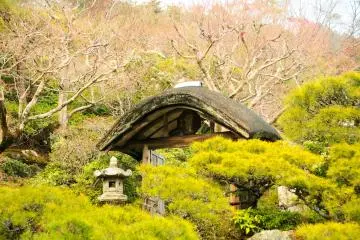
Enjoy tranquil spring at Okochi Sanso Villa in Sagano, Kyoto, in an idyllic setting.
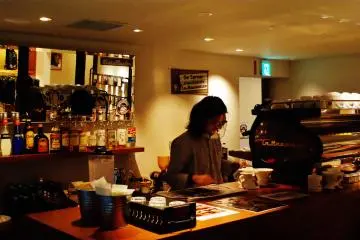
The Okochi Sanso Gardens & Tearoom are located in Arashiyama on the slopes of Mount Ogura. Offering beautiful views of Kyoto below, whilst navigating the wonderful gardens.
Okochi Sanso Gardens & Villa bertempat di Arashiyama dan menyuguhkan pemandangan spektakuler dari kota Kyoto. Nikmati juga secangkir teh tradisional Jepang di tengah-tengah taman yang menawan ini.
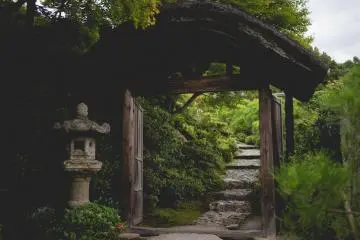
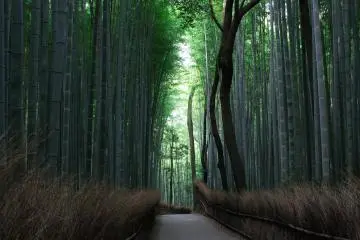
Okochisanso garden is a pristine example of traditional Japanese horticulture, and you get a free walk through Arashiyama bamboo grove on your way there.
ปชมวิลล่า โอะโคะชิ ซานโซะ (Okochi Sanso Villa) ซึ่งตั้งอยู่ลึกเข้าไปในป่าไผ่แห่งซะกะโนะ เกียวโต
เด็นจิโระ โอะโคะชิ (Denjiro Okochi) นักแสดงภาพยนต์ยุคสมัยโบราณเรื่อง "The Tale of Genji" หลงรักวิวจากบนเนินเขาเหนืออะระชิยะมะ หรือ "ภูเขาพายุ" ในภาษาญี่ปุ่น เขาใช้ชีวิตอยู่ท่ามกลางฉากขุนนางญี่ปุ่นโบราณ ทำให้เกิดแรงบันดาลใจสร้างสรรฉากโบราณนั้นขึ้นในรูปของสวนญี่ปุ่นพร้อมด้วยเรือนน้ำชาและศาลเจ้า
Utano Youth Hostel est une auberge de jeunesse au nord de Kyoto proposant un cadre unique, entre tranquillité et verdure.
A 30 minutes en bus depuis le centre de Kyoto, le ryokan Yamazaki est un trésor bien caché. Un quartier paisible, une cuisine savoureuse et un accueil familial, tous les éléments sont réunis pour vous offrir un séjour inoubliable.
A la rencontre de la culture japonaise, entamez votre voyage et concluez le par une escale à Kyoto, le berceau intemporel de tout ce que fut et de tout ce qu'est encore aujourd'hui le Japon.
La cuisine végétarienne zen shojin-ryori du temple Tenryu-ji à Arashiyama est servie par des moines dans un cadre extraordinaire. Un repas inoubliable !
Café Kissa Master à Kyoto, quand le café devient un véritable art...
Vous découvrirez tout sur le tofu dans les restaurants Tousuiro de Kyoto, situés à Gion et Kiyamachi (avec vue sur la rivière Kamo).
The Arashiyama Bamboo Forest is one of the most popular attractions in Kyoto and is made up of numerous trails for visitors to enjoy. For the best photos, make sure to get here early in the morning as it gets crowded very quickly. It's not just the beauty of the bamboo that attracts people. The Arashiyama bamboo forest is one of the 100 most beautiful soundscapes in Japan, which are designated by the Japanese Ministry of the Environment. The sound of the rustling bamboo swaying in the wind is almost meditative. If you walk along the main street of Arashiyama, you will also pass Tenryuji Temple, one of the most beautiful Zen temples in Kyoto. According to Japanese tradition, bamboo is a symbol of strength. Therefore, it often happens that a Buddhist temple or Shinto shrine has a small bamboo grove on its premises to ward off evil.
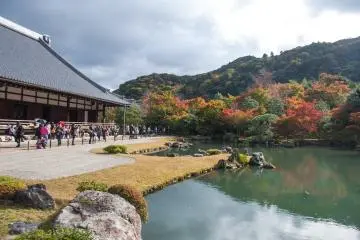
Tenryuji est le temple principal de la secte Tenryuji du bouddhisme zen Rinzai et est situé dans le district d'Arashiyama au nord-ouest de la ville de Kyoto. C'est le temple zen le plus important de la ville et est un site du patrimoine mondial de l'UNESCO. Le temple a été construit en 1339 par le shogun Ashikaga Takauji, qui l'a dédié à l'empereur Go-Daigo récemment décédé. Les deux hommes étaient d'anciens alliés jusqu'à ce que Takauji se rebelle contre l'empereur dans la lutte pour la suprématie au Japon. Le temple permet ainsi de pacifier l'esprit du défunt. Les bâtiments de Tenryuji ont été détruits à plusieurs reprises par le feu au cours des siècles. Ainsi, le complexe actuel date en grande partie de la période Meiji (1868-1912). En revanche, le jardin environnant, qui a été conçu par le célèbre maître du jardinage, Muso Soseki, est presque entièrement original. Lorsque le feuillage des arbres et les montagnes d'Arashiyama visibles derrière eux deviennent rouges et jaunes en automne, Tenryuji et son jardin sont une destination populaire.
Nison-in is a Tendai Buddhist temple complex in Ukyō-ku, a western ward in the city of Kyoto, Japan. The temple's official name is Ogura-yama Nison-kyō-in Keidai-ji. The temple is a popular destination during the Japanese maple viewing season. [Wikipedia]