
Culture
Kyoto's Sagano Bamboo Forest
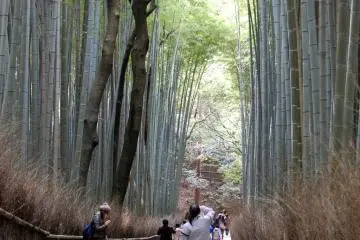
Carrie JacobsThe Sagano Bamboo Forest sits next to Tenryu-ji temple in the attractive area of Arashiyama. It is a worthwhile departure from temple visits and beautiful year round.
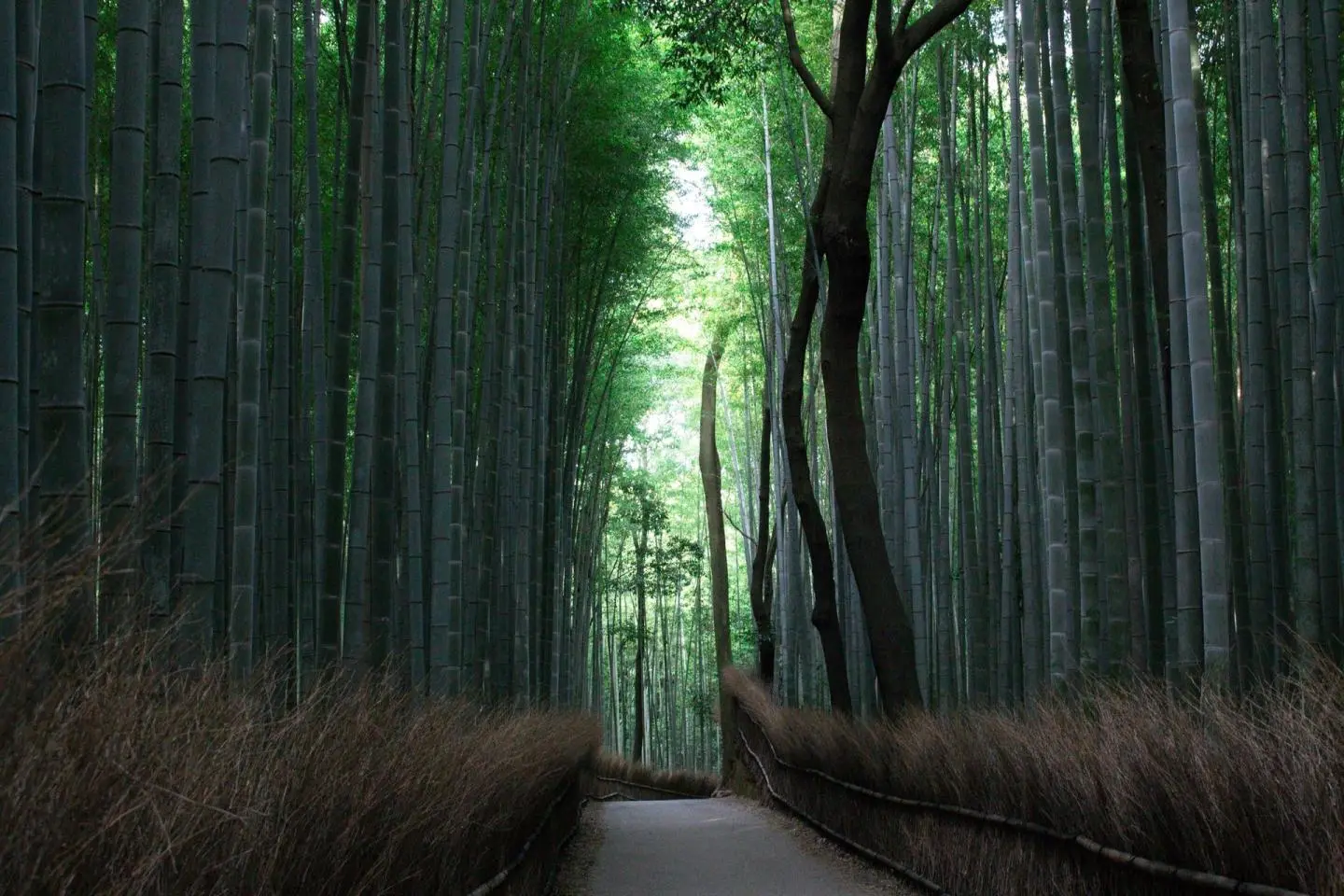
The Arashiyama Bamboo Forest is one of the most popular attractions in Kyoto and is made up of numerous trails for visitors to enjoy. For the best photos, make sure to get here early in the morning as it gets crowded very quickly.
It's not just the beauty of the bamboo that attracts people. The Arashiyama bamboo forest is one of the 100 most beautiful soundscapes in Japan, which are designated by the Japanese Ministry of the Environment. The sound of the rustling bamboo swaying in the wind is almost meditative.
If you walk along the main street of Arashiyama, you will also pass Tenryuji Temple, one of the most beautiful Zen temples in Kyoto. According to Japanese tradition, bamboo is a symbol of strength. Therefore, it often happens that a Buddhist temple or Shinto shrine has a small bamboo grove on its premises to ward off evil.
/135.67200078196,35.017246427741,9/397x132?access_token=pk.eyJ1IjoiamFwYW50cmF2ZWxtYXBzIiwiYSI6ImNqbXBtOXYxbDB5Z3ozbHFrazJuYWMwOGYifQ.v15fy_mcFWtgopmz8PhwqA)
The Sagano Bamboo Forest sits next to Tenryu-ji temple in the attractive area of Arashiyama. It is a worthwhile departure from temple visits and beautiful year round.
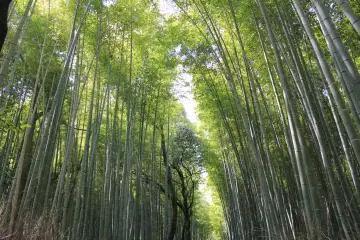
ทางเดินเลียบป่าไผ่แสนงดงามให้ความรู้สึกสงบอย่างตะวันออกอย่างแท้จริง
The Japanese have a long history with bamboo in their folklore, metaphorically linking a man's strength with this plant.
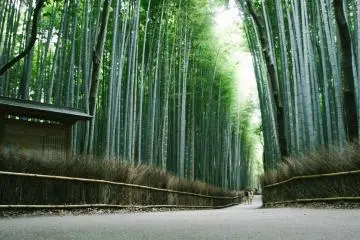
Arashiyama sendiri berarti pegunungan sebelah barat merupakan salah satu destinasi utama yang ada di Kyoto selain kawasan Higashiyama. Arashiyama terkenal akan jembatannya yang terkenal itu, yaitu Togetsu-kyo, kuil Tenryu, dan juga hutan bambunya.
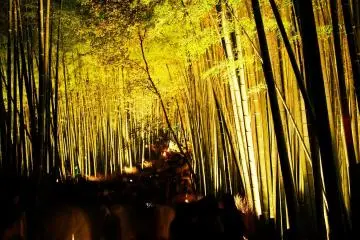
Kyoto's mysterious 'Bamboo Grove of Sagano' illuminated in the dark.
Hutan Bambu Sagano di Kyoto yang misterius bercahaya dalam gelap
Arashiyama means Storm Mountain, one of main destinations in Kyoto after Higashiyama. Togetsukyo bridge, Tenryuji, and the bamboo forest are all landmarks of Arashiyama.
Арасияма означает «штормовая гора» и она является одной из основных достопримечательностей в Киото после Хигасияма, с мостом Тогетсукё в качестве своего символа.
Arashiyama est l'une des destinations favorites de Kyoto après Higashiyama. Le pont Togetsukyo, Tenryu-ji, et la forêt de bambous constituent les attractions phares d'Arashiyama.
ป่าไผ่จสะกะโนะ (Sagano) ตั้งอยู่ใกล้กับวัดเท็นริว-จิ (Tenryu-ji) ในพื้นที่ที่งดงามของอะระชิยะมะ (Arashiyama)
Os japoneses têm uma longa história com o bambu, em mitos e lendas, metaforicamente ligando a força de um homem a esta planta. Muitos festivais também incluem o uso do bambu de diversas formas. Podemos ver isso em copos de gelado de bambu, edifícios e cercas. No entanto, não é todos os dias que temos a oportunidade de ver florestas de bambu no seu estado natural crescendo densamente e seguindo este caminho.
A Arashiyama, on peut apprécier un charmant chemin de 500 mètres dans la forêt de bambous, situé entre le temple Tenryu-ji et le sanctuaire Nonomiya.
Исторически сложившаяся связь японцев с бамбуком прослеживается в мифах и легендах, где это растение олицетворяет человеческую силу.
Khu rừng tre Sagano nằm cạnh bên chùa Tenryu-ji trong khu vực thu hút du khách của Arashiyama, Kyoto. Đây là một nơi đáng để bạn ghé đến sau chuyến viếng thăm ngôi chùa, và nơi này xinh đẹp quanh năm.
Arashimaya significa Montaña de la tormenta, uno de los principales destinos de Kioto después de Higashiyama. El puente Togetsukyo, Tenryu-ji y el bosque de bambú son puntos de referencia de Arashiyama
Arashiyama có nghĩa là Núi Bão, một trong số các điểm đến chính ở Kyoto sau Higashiyama. Cầu Togetsukyo, chùa Tenryu và cánh rừng tre đều là những địa điểm hấp dẫn của Arashiyama.
"Rừng tre ở Sagano " khung cảnh huyền bí của Kyoto được chiếu sáng trong bóng tối.
사가노 대나무 숲은 아라시야마 지역의 텐류지 사원 옆에 있다. 그것은 사찰 방문과 아름다운 바쁜 일과에서 벗어날 가치가 있다
Sebuah kisah mengenai sinar matahari dan bayangan
Der Bambuswald von Arashiyama: Eine Geschichte von Licht und Schatten
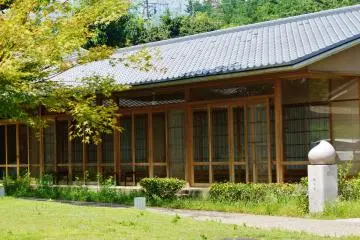
Utano Youth Hostel est une auberge de jeunesse au nord de Kyoto proposant un cadre unique, entre tranquillité et verdure.
A 30 minutes en bus depuis le centre de Kyoto, le ryokan Yamazaki est un trésor bien caché. Un quartier paisible, une cuisine savoureuse et un accueil familial, tous les éléments sont réunis pour vous offrir un séjour inoubliable.
A la rencontre de la culture japonaise, entamez votre voyage et concluez le par une escale à Kyoto, le berceau intemporel de tout ce que fut et de tout ce qu'est encore aujourd'hui le Japon.
La cuisine végétarienne zen shojin-ryori du temple Tenryu-ji à Arashiyama est servie par des moines dans un cadre extraordinaire. Un repas inoubliable !
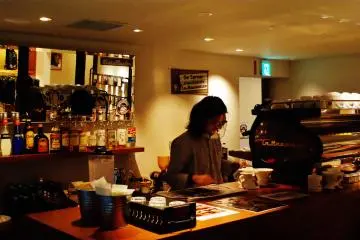
Café Kissa Master à Kyoto, quand le café devient un véritable art...
Vous découvrirez tout sur le tofu dans les restaurants Tousuiro de Kyoto, situés à Gion et Kiyamachi (avec vue sur la rivière Kamo).
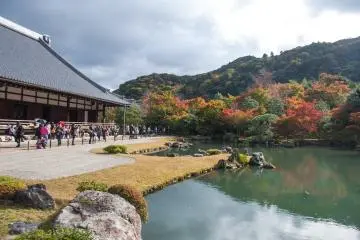
Tenryuji est le temple principal de la secte Tenryuji du bouddhisme zen Rinzai et est situé dans le district d'Arashiyama au nord-ouest de la ville de Kyoto. C'est le temple zen le plus important de la ville et est un site du patrimoine mondial de l'UNESCO. Le temple a été construit en 1339 par le shogun Ashikaga Takauji, qui l'a dédié à l'empereur Go-Daigo récemment décédé. Les deux hommes étaient d'anciens alliés jusqu'à ce que Takauji se rebelle contre l'empereur dans la lutte pour la suprématie au Japon. Le temple permet ainsi de pacifier l'esprit du défunt. Les bâtiments de Tenryuji ont été détruits à plusieurs reprises par le feu au cours des siècles. Ainsi, le complexe actuel date en grande partie de la période Meiji (1868-1912). En revanche, le jardin environnant, qui a été conçu par le célèbre maître du jardinage, Muso Soseki, est presque entièrement original. Lorsque le feuillage des arbres et les montagnes d'Arashiyama visibles derrière eux deviennent rouges et jaunes en automne, Tenryuji et son jardin sont une destination populaire.
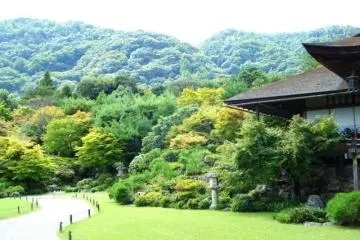
Ōkōchi Sansō is the former home and garden of the Japanese jidaigeki actor Denjirō Ōkōchi in Arashiyama, Kyoto. The villa is open to the public for an admission fee and is known for its gardens and views of the Kyoto area. Several of the buildings are recorded as cultural properties by the national government. [Wikipedia]
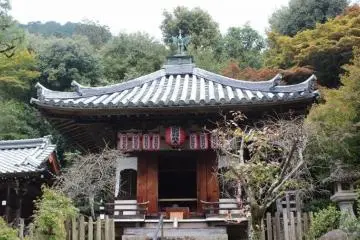
Nison-in is a Tendai Buddhist temple complex in Ukyō-ku, a western ward in the city of Kyoto, Japan. The temple's official name is Ogura-yama Nison-kyō-in Keidai-ji. The temple is a popular destination during the Japanese maple viewing season. [Wikipedia]