/135.76212990462,35.02541905372,9/397x132?access_token=pk.eyJ1IjoiamFwYW50cmF2ZWxtYXBzIiwiYSI6ImNqbXBtOXYxbDB5Z3ozbHFrazJuYWMwOGYifQ.v15fy_mcFWtgopmz8PhwqA)

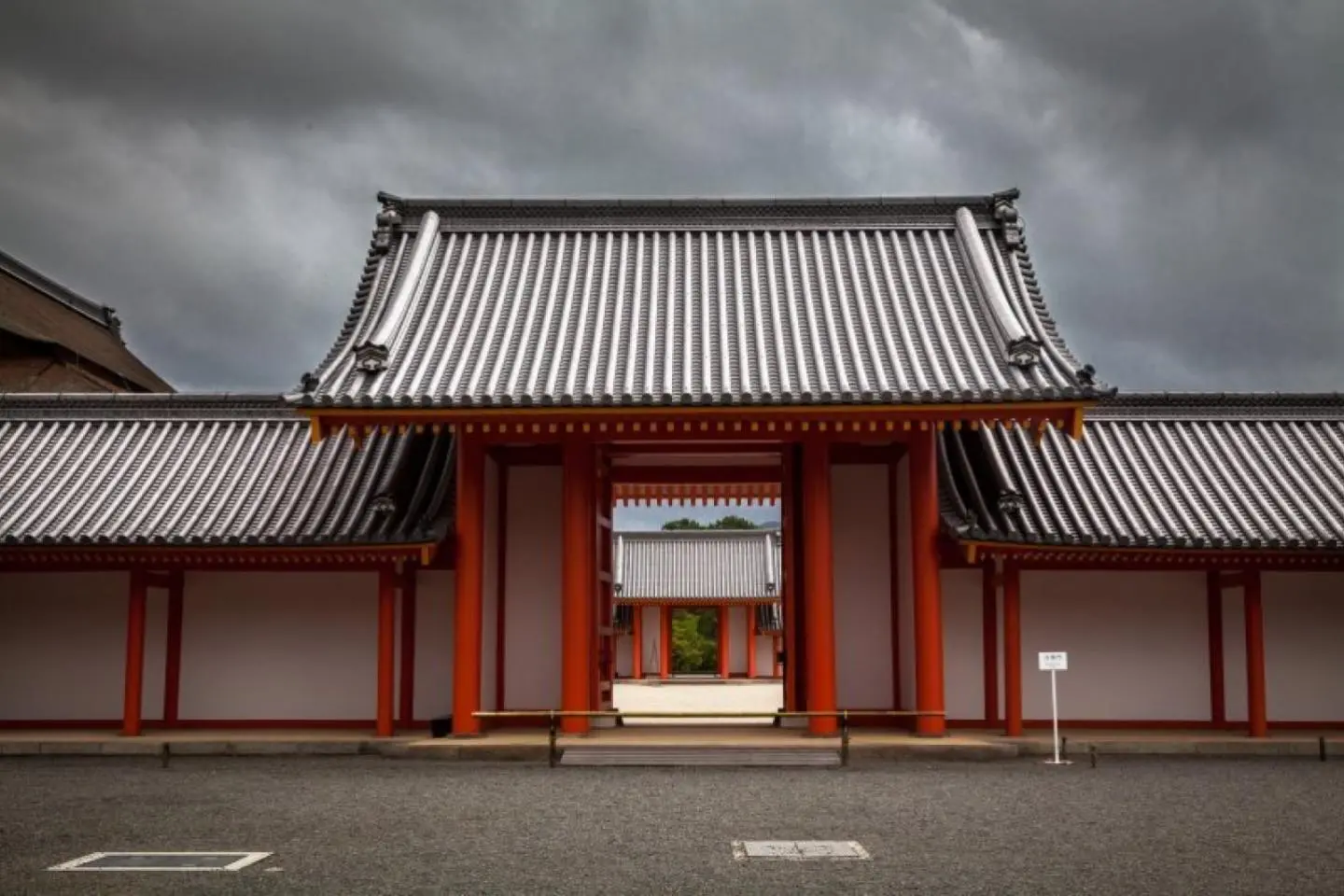
The Kyoto Imperial Palace is the former ruling palace of the Emperor of Japan. Since the Meiji Restoration in 1869, the Emperors have resided at the Tokyo Imperial Palace, while the preservation of the Kyoto Imperial Palace was ordered in 1877. [Wikipedia]
A reservation is required to visit the Kyoto Imperial Palace.
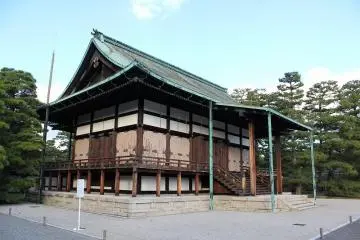
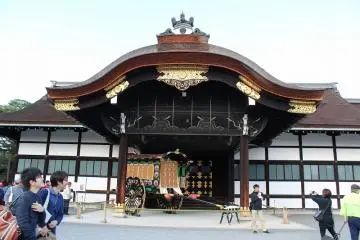
Dignitaries with a special permission arriving here at Okurumayose by ox-drawn carriage used to enter the Kyoto Imperial Palace through this entrance. Shinmikurumayose is the special entrance just for the Emperor and Empress.
Shishinden is the most important building within the grounds of Kyoto Imperial Palace. It is where important ceremonies like the enthronement ceremony is held.
The Giyoden was one of the palace buildings in the Dairi (Imperial Residence) of Heian-kyo adjoining the east side of the Shishinden
The original Seiryoden was built as the Emperor's residence at the end of the 8th century. Built in the palace style of the Heian period
كبار الشخصيات فقط مع الحصول على إذن خاص يُمكنهم الدخول إلي (أوكورومايوسي) بالعربات التي تجرها الثيران لدخول القصر الإمبراطوري في كيوتو ، ومدخل (شينميكورومايوسي) هو المدخل الخاص بالإمبراطور والإمبراطورة .
شيشيندين هو المبنى الأكثر أهمية داخل حديقة القصر الإمبراطوري في كيوتو. حيث أن الاحتفالات الهامة تُقام به مثل التتويج الإمبراطوري.
جييودين كان واحد من مباني القصر في الديري (الإقامة الإمبراطورية) في هييآن كيو (كيوتو حالياً) بمحاذاة الجانب الشرقي من شيشيندين
تم بناء السيريودين الأصلي كمقر إقامة للإمبراطور في نهاية القرن الثامن عشر وكانت تستخدم حتى القرن الحادي عشر. والقصر تم بناءه علي أسلوب ( هييآن )
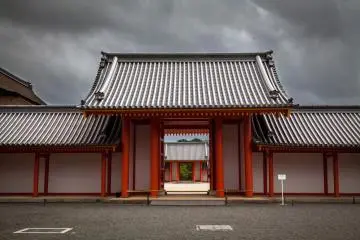
The Imperial Palace in Kyoto served as the emperors' residence during the Edo Period in the seventeenth and eighteenth centuries until the Meiji Restoration in 1868. It is not possible to enter the buildings, but the palace grounds can be visited on a guided tour (English tours are available). Tours take around an hour and are free, but it is necessary to make a reservation with the Imperial Household Agency in advance.
17世紀から19世紀の江戸時代を通じて1868年の明治維新に至るまで、京都御所は帝の住居として使用されていた。建物内部への立入りは禁止されている が、敷地内のガイド付き参観は可能だ ( 英語ガイド付きツアーもある )。約1時間の無料参観には宮内庁への事前参観申請が必要だ。
Императорский дворец в Киото служил императорской резиденцией 17 и 18 столетиях периода Эдо до реставрации Мэйдзи в 1868. В здания войти невозможно, но территорию дворца можно посетить в организованной экскурсии (имеются экскурсии на английском). Экскурсии занимают около часа и бесплатны, но нужно сделать предварительную резервацию в Агенции императорской семьи.
Visite guidée du Palais Impérial de Kyoto sous un ciel dramatique créé par un typhon imminent.
Istana Kekaisaran di Kyoto digunakan sebagai kediaman Kaisar selama Periode Edo di abad ketujuhbelas dan kedelapanbelas hingga masa Restorasi Meiji di tahun 1868. Dimungkinkan untuk memasuki bangunan ini, namun hanya bisa dikunjungi dengan tur (tur berbahasa Inggris tersedia). Tur berlangsung selama satu jam dan gratis, namun sebaiknya lakukan reservasi terlebih dahulu ke Badan Rumah Tangga Kekaisaran.
กิโยะเด็นเป็นหนึ่งในอาคารในพระราชวังในไดริ (ที่ประทับขององค์จักรพรรดิ)แห่งเฮอันเคียวที่เชื่อมกับด้านตะวันออกของชิชินเด็น
พระราชวังอิมพีเรียลเกียวโตในปัจจุบันได้พัฒนามาจากซะโทะไดริ และมีชื่อว่า Tsuchi-Mikado-Higashi-no-Toin-Dono บุคคลสำคัญที่จะเข้าพบองค์จักรพรรดินั้น จะนั่งรถเทียมวัวเข้าทางประตู Okurumayose ส่วนประตูทางเข้าตรง Shinmikurumayose จะใช้เฉพาะองค์จักรพรรดิและจักรพรรดินีเท่านั้น
Cung điện Hoàng gia ở Kyoto là nơi cư trú của hoàng đế trong thời kỳ Edo trong thế kỷ XVIII và XVIII cho đến khi Minh Trị phục hồi năm 1868. Bạn không thể vào các tòa nhà, nhưng có thể đến thăm cung điện theo hướng dẫn viên (nơi đây có các tour bằng tiếng anh). Các tour du lịch mất khoảng một giờ và hoàn toàn miễn phí. Tuy nhiên bạn phải thông báo trước với với Cơ quan nội chính Hoàng gia Nhật Bản.
Shishinden là tòa nhà quan trọng nhất trong khuôn viên cung điện Hoàng gia Kyoto . Đó là nơi các nghi lễ quan trọng như lễ lên ngôi diễn ra.
Giyoden là một trong những tòa nhà cung điện trong Dairi (nơi ở của vua chúa) của Heian-kyo giáp phía đông Shishinden
Seiryoden gốc được xây dựng làm nơi ở cho Hoàng đế vào cuối thế kí thứ 8. Nơi đây được xây dựng vào thời kì Heian
교토의 왕궁은 1868년 메이지 유신 때까지 17, 18세기 에도 시대 동안 황제들의 거주지로 사용되었다. 건물 안으로 들어가는 것은 불가능하지만, 궁궐 내에서는 가이드 투어를 할 수 있다. 관광은 한 시간 정도 걸리고 무료지만, 미리 황실청에 예약을 해야 한다.
อิมพีเรียล พาเลส ในเมืองเกียวโต เคยเป็นที่พำนักขององค์จักรพรรดิ์ในสมัยเอโดะ ซึ่งตกอยู่ในศตวรรดิ์ที่ 17 และ 18 จนกระทั่งสมัยฟื้นฟูเมจิในปี 1868 อาคารพระราชวังไม่เปิดให้บุคคลภายนอกเข้าชม แต่พื้นที่โดยรอบพระราชวังนั้นสามารถเข้าชมได้โดยทัวร์ไกด์ (มีบริการทัวร์ในภาษาอังกฤษ) ทัวร์ชมพื้นที่โดยรอบพระราชวังนี้ใช้เวลาประมาณหนึ่งชั่วโมง และเข้าชมได้ฟรี แต่จำเป็นต้องสำรองที่กับสำนักงานครัวเรือนอิมพีเรียล (Imperial Household Agency) ไว้ล่วงหน้า
A la rencontre de la culture japonaise, entamez votre voyage et concluez le par une escale à Kyoto, le berceau intemporel de tout ce que fut et de tout ce qu'est encore aujourd'hui le Japon.
Un dîner à Hiiragiya, c’est à la fois l'enchantement des sens et le triomphe de la cuisine traditionnelle japonaise.
Le Piece Hostel Sanjo a ouvert ses portes en juillet 2015 à Kyoto. C'était à l'origine une auberge traditionnelle japonaise (ryokan) rénovée en auberge de jeunesse élégante.
Vous découvrirez tout sur le tofu dans les restaurants Tousuiro de Kyoto, situés à Gion et Kiyamachi (avec vue sur la rivière Kamo).
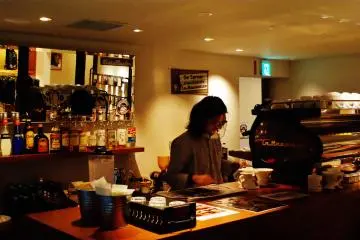
Café Kissa Master à Kyoto, quand le café devient un véritable art...
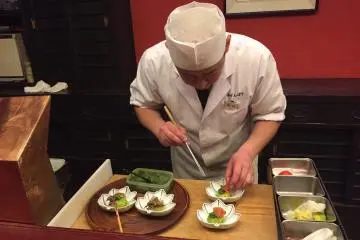
Ce soir-là, nous étions parti à la découverte du quartier de Gion à Kyoto. Après avoir déambulé dans les rues bordées de maisons traditionnelles en bois, nous nous sommes arrêtés dans le restaurant Yagenbori. C'était un plaisir des yeux et du palais.
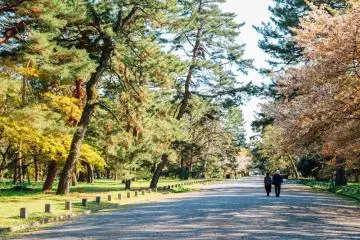
Located in the heart of the city, Kyoto Gyoen National Garden is a natural oasis perfect for escaping the busyness of urban life. This vast green space surrounds the Kyoto Imperial Palace and Kyoto Sento Imperial Palace and was designated as a national garden in 1949. The garden is open all day, everyday, and free to enter. Enjoy the beautifully landscaped trails and seasonal flowers, such as cherry blossoms, wisterias, plums, and lilies, or bring a blanket and have a picnic on the lush grass. Given the garden’s abundance of nature, it is a popular place for tourists and residents alike and is always filled with joggers, dog walkers, picnickers, and cyclists. The greenspace also has athletic facilities. Aside from its natural beauty, the garden is also home to numerous historical and traditional buildings. Of course, the garden’s most treasured structure is the Kyoto Imperial Palace. The imperial palace was home to Japan’s emperors until the Meiji Restoration, when Japan’s capital moved from Kyoto to Tokyo. Today, the campus offers us a glimpse into the past with its historic halls, traditional designs, opulent decor, vermillion accents, residences, and more. You can visit the palace year-round. The Kyoto Sento Imperial Palace, which served as the palace for former emperors, is also available to tour. Apply for tickets online in advance or obtain walk-in tickets (please note that walk-in tickets are limited). The tour features an hour-long stroll through the palace’s immaculate gardens. Kyoto Gyoen is also the site of Shu Sui Tei Teahouse where you can experience tea ceremonies for 100 yen per person, the Kaninnomiya Residence, and numerous smaller shrines. Go on a leisurely walk and enjoy the combination of idyllic nature and historic learning.
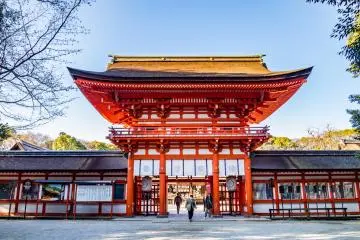
Les sanctuaires Kamo, Shimogamo et Kamigamo sont tous deux reconnus comme sites du patrimoine mondial de l'UNESCO. Ce sont deux des sanctuaires les plus importants et les plus anciens de Kyoto. Ils sont situés au nord de la ville et sont intentionnellement placés pour éloigner le mal et protéger la ville. En réalité, les deux sanctuaires de Kamo sont encore plus anciens que la ville devenue capitale nationale en 794. Le sanctuaire Shimogamo est situé au confluent des rivières Takano et Kamo et est entouré d'une forêt qui abrite des arbres vieux de 600 ans. Ensemble, les sanctuaires accueillent l'un des trois plus grands festivals de Kyoto, l'Aoi Matsuri, qui a lieu le 15 mai.
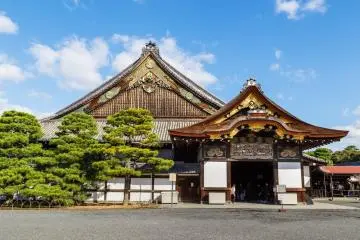
Le château de Nijo est situé à Kyoto et était à l’origine la résidence de Tokugawa Ieyasu, le fondateur du shogunat de Tokugawa. Il fait partie du site du patrimoine mondial de l'UNESCO et est également un trésor national du Japon. La superficie totale du château couvre 275 000 m² et le parc du château est entouré de larges douves et de murs de pierre massifs. Dans l'anneau intérieur se trouve le palais Honmaru ouvert au public uniquement lors d'occasions spéciales, qui a brûlé avec un ancien château de cinq étages au XVIIIème siècle et qui n'a été que partiellement reconstruit à l'original. Une partie de la résidence impériale a été déplacée depuis la Villa Katsura après la chute du shogunat. Dans l'anneau extérieur se trouve le palais Ninomaru, qui était la résidence du shogun et se compose de cinq bâtiments interconnectés, qui sont encore en grande partie d'origine aujourd'hui. À l'intérieur, vous pourrez admirer des peintures murales élaborées et des décorations en bois ornées qui attestent de la richesse et la puissance du shogun. Le palais Ninomaru et les somptueux jardins paysagers environnants sont ouverts aux visiteurs. Le site comprend également d'innombrables cerisiers et pruniers qui chaque année attirent de nombreux touristes lorsqu'ils fleurissent au printemps.